What Are the Top Things to Do in Aruba Beyond the Music?
Aruba offers 4 core adventure categories beyond nightlife: water sports (kitesurfing, diving at 15+ sites including the Antilla wreck), land excursions (ATV tours through Arikok National Park covering 20% of the island), nature immersion (hiking to Jamanota Hill at 188m elevation), and cultural discovery (Fort Zoutman from 1796 in Oranjestad). The island’s constant trade winds (15-25 knots June-September) and year-round 82°F water temperature create ideal conditions for outdoor activities.
To truly experience Aruba, you must venture outside the resort areas. The top activities for adventure seekers include:
- water sports: harnessing the trade winds for kitesurfing or exploring coral reefs,
- land excursions: off-road safaris through the rugged north coast,
- nature immersion: hiking volcanic landscapes and discovering hidden natural pools,
- cultural discovery: visiting historical monuments and art galleries in Oranjestad.
Experience Water Sports and Marine Adventures
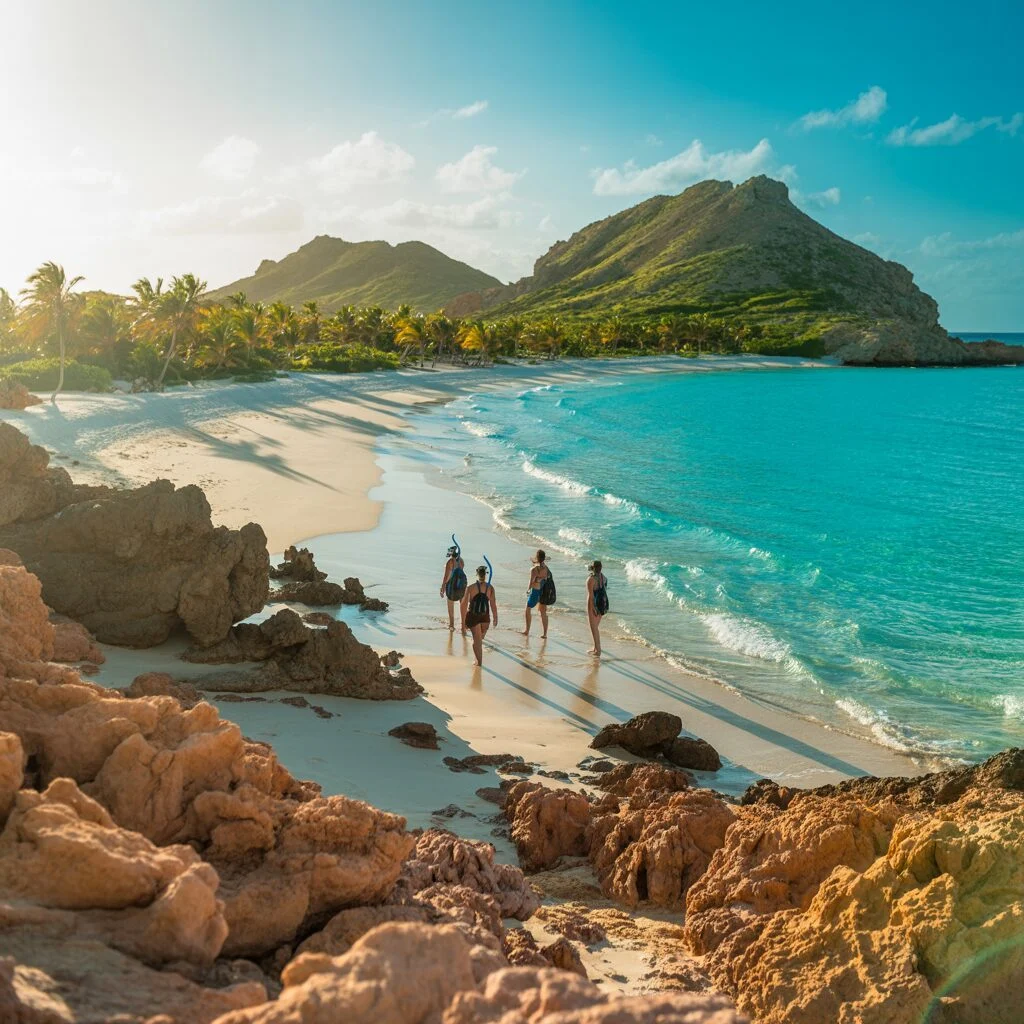
Aruba’s western coast provides 12+ accessible dive sites with visibility reaching 90 feet and water temperatures of 78-84°F year-round. The Antilla shipwreck (400 feet long, sunk in 1940) sits at 60 feet depth, while shallow sites like Boca Catalina (5-15 feet) accommodate beginners. Trade winds average 15-25 knots, positioning Aruba as a top-3 Caribbean kitesurfing destination with Fisherman’s Huts offering 200+ yards of shallow water (waist-deep) for safe learning.
Explore Marine Life with Snorkeling and Scuba Diving
Key locations for underwater exploration include:
- Mangel Halto: known for its intricate network of mangroves and shallow reefs perfect for snorkeling,
- Boca Catalina: a shallow, calm bay ideal for beginners and spotting starfish,
- The Antilla Shipwreck: a ghost ship teeming with marine life, accessible to both snorkelers and divers.
Master Kitesurfing and Windsurfing on the Trade Winds
Fisherman’s Huts (Hadicurari Beach) delivers optimal conditions with 15-25 knot winds June-September, shallow water extending 200+ yards, and 10+ certified schools offering 2-hour beginner lessons ($100-150) to 5-day advanced courses ($400-600). Water temperature stays at 82°F, eliminating wetsuit requirements. Peak wind months see 20+ knots daily, supporting advanced maneuvers and competitions.
Paddle Through Mangroves with Kayaking and Paddleboarding
Spanish Lagoon covers 60+ acres of protected mangrove ecosystem, while Mangel Halto offers glass-bottom kayak tours revealing reef life at 3-10 feet depth without entering water. Tours run 2-3 hours, cost $45-75 per person, and operate best during morning hours (7-10 AM) when water is calmest and wildlife most active.
| Activity | Best Location | Difficulty Level |
|---|---|---|
| Glass-Bottom Kayaking | Mangel Halto | Easy / Moderate |
| Stand-Up Paddleboarding (SUP) | Palm Beach | Easy |
| Mangrove Eco-Tours | Spanish Lagoon | Moderate |
Join Deep Sea Fishing and Sailing Excursions
Deep sea charters target mahi-mahi (20-40 lbs), wahoo (30-60 lbs), and barracuda in waters 1-3 miles offshore. Half-day trips (4 hours) cost $400-600 for up to 4 people, while full-day excursions (8 hours) run $800-1200. Sunset sailing cruises (2-3 hours, $50-80 per person) depart at 5 PM, include open bar and snacks, and accommodate 20-50 passengers depending on vessel.
Discover Land-Based Outdoor Adventures
Arikok National Park spans 7,907 acres (34 square kilometers) with 20+ miles of marked trails, reaching its peak at Jamanota Hill (188 meters/617 feet). Temperatures range 85-95°F during midday, requiring 2+ liters of water per person for 2-hour hikes. The park hosts 3 major cave systems, 5+ hiking routes, and terrain accessible only by 4×4 vehicles or guided ATV tours covering 15-20 miles in 3-4 hours.
Traverse Hiking Trails in Arikok National Park
Jamanota Hill trail covers 1.5 miles roundtrip with 617-foot elevation gain, taking 1.5-2 hours. Coastal trails to secluded bays span 2-3 miles one-way through limestone formations and cactus fields. Park entry costs $11 per adult, opens 8 AM-4 PM daily, and requires minimum 2 liters water per person plus sun protection for safe completion.
Navigate the Island with Off-Road ATV and UTV Tours
ATV/UTV tours cover 15-20 miles in 3-4 hours, visiting 5-7 landmarks including Bushiribana Gold Mill Ruins (1825), Natural Bridge remnants, and Alto Vista Chapel. Tours cost $100-150 per person (single ATV) or $150-200 per vehicle (UTV for 2), include helmets and goggles, and require valid driver’s license (18+ years). Terrain features rocky paths, sand dunes, and 30-degree inclines requiring 4×4 capability.
Enjoy Horseback Riding Along the Coastline
Horseback tours run 1.5-2 hours, cost $75-110 per person, and cover 3-5 miles from desert interior to beach. Early morning rides (7-9 AM) offer 10-15°F cooler temperatures and calmer horses. No prior experience required for beach rides; intermediate trails through Arikok require basic riding skills and cost $120-150 for 3-hour excursions.
Investigate the Guadirikiri and Fontein Caves
Guadirikiri Cave features 2 chambers with natural skylights creating photography opportunities 10 AM-2 PM when sunlight penetrates deepest. Fontein Cave displays Arawak petroglyphs dated 1000 AD on limestone walls. Both caves maintain 75-80°F internal temperature, provide shade during midday heat, and require flashlights for safe exploration of 100+ foot depths. Entry included in $11 Arikok park fee.
Observe Nature and Wildlife Attractions
The Natural Pool (Conchi) sits in a volcanic rock formation creating a 15×20 foot swimming area protected from 6-10 foot ocean waves. Access requires 4×4 vehicle (45-minute drive on unpaved roads), 2-mile hike, or horseback ride. Butterfly Farm houses 500+ butterflies from 40+ species in climate-controlled enclosure, while Donkey Sanctuary shelters 130+ rescued donkeys on 8-acre facility. Bubali Bird Sanctuary spans 60 acres hosting 80+ bird species including 200+ herons during peak migration (April-May, September-October).
Swim in the Volcanic Natural Pool (Conchi)
Conchi requires 4×4 access via 5-mile unpaved road (45 minutes from main highway), 2-mile hiking trail (1.5 hours), or guided horseback tour ($110-150). Pool measures 15×20 feet, depth 3-8 feet, with volcanic rock walls blocking 6-10 foot waves. Visit early morning (7-9 AM) or late afternoon (3-5 PM) to avoid midday crowds of 50+ visitors and intense sun exposure.
Visit the Butterfly Farm and Donkey Sanctuary
Butterfly Farm admission costs $16 adults ($8 children), includes guided 20-minute tour, and features 500+ butterflies from 40+ species in mesh enclosure. Donkey Sanctuary operates free admission (donations accepted), opens 9 AM-4 PM daily, and allows feeding/petting of 130+ rescued donkeys. Both facilities offer educational programs and support conservation efforts.
Spot Native Species at Bubali Bird Sanctuary
Bubali’s 60-acre wetland hosts 80+ species with peak viewing April-May and September-October when migratory populations reach 200+ herons, egrets, and gulls. Two observation towers provide elevated views, binoculars recommended for 50+ yard sightings. Free admission, open sunrise to sunset, located 5 minutes from high-rise hotel area.
Engage in Cultural Activities and Local Experiences
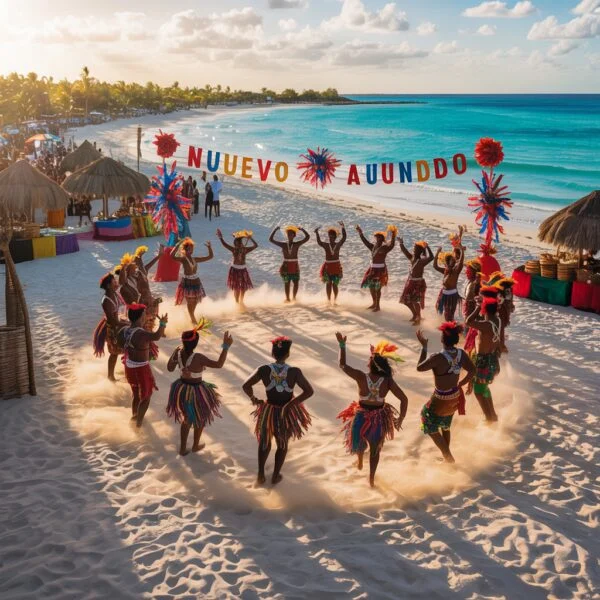
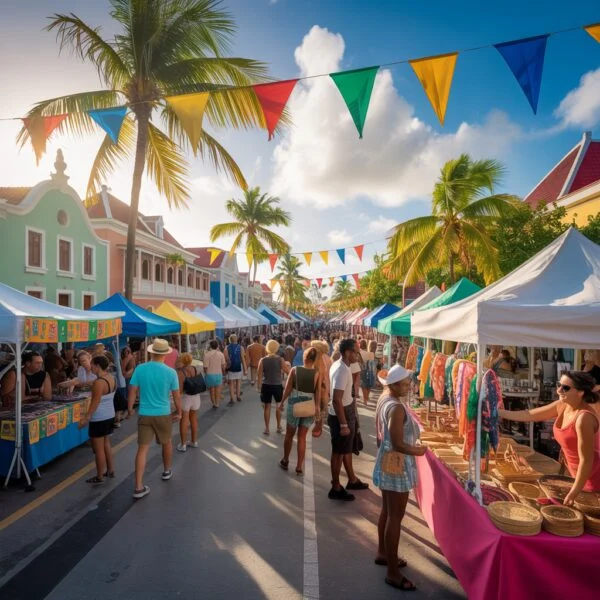
Oranjestad features 15+ Dutch colonial buildings from 1796-1920s, including Fort Zoutman (1796, oldest structure) and Willem III Tower (1868). Archaeological Museum displays 1000+ Amerindian artifacts from 2500 BC-1500 AD. San Nicolas hosts 50+ street art murals created during annual art festivals, while culinary tours visit 5-7 local eateries over 3-4 hours ($75-100 per person) sampling traditional dishes and visiting Aruba Aloe Factory processing 1+ million plants annually.
Tour Historical Sites and Monuments in Oranjestad
Fort Zoutman (built 1796) and Willem III Tower (added 1868) form Aruba’s oldest structure, now housing historical museum ($5 entry). Walking tours cover 1.5-2 miles, visit 10+ colonial buildings, and take 2-3 hours. Self-guided tours available via free mobile app with 15+ audio stops.
Visit Museums and Art Galleries for Cultural Insight
Archaeological Museum houses 1000+ artifacts spanning 2500 BC-1500 AD, entry $5, open Tuesday-Friday 10 AM-5 PM. San Nicolas features 50+ murals from international artists, free walking tour maps available at visitor center, covering 2-mile route through 20+ art installations created 2016-present.
Sample Local Flavors with Culinary Tours
Culinary tours run 3-4 hours, cost $75-100 per person, and visit 5-7 locations including food trucks, local restaurants, and Aruba Aloe Factory. Tours sample 8-10 dishes including keshi yena, fresh seafood, and local desserts. Aloe factory tour (included or $8 standalone) shows processing of 1+ million plants annually and includes product samples.
How to Plan Your Aruba Adventure Trip
Book popular tours 2-4 weeks advance during peak season (December-March) when Natural Pool tours and submarine expeditions reach 80-100% capacity. Off-peak months (April-August) offer 20-30% lower prices and better availability. Essential gear includes reef-safe sunscreen (mandatory by law), hiking boots for rocky terrain, water shoes for reef entries, and 2+ liters hydration per person daily. Tours cost $50-200 per person depending on activity, with multi-activity packages saving 15-25%.
When Is the Best Time to Visit for Outdoor Activities?
June-September delivers strongest trade winds (20-25 knots) for kitesurfing/windsurfing. April-August sees 30-40% fewer tourists than December-March peak, offering better tour availability and 20-30% lower accommodation rates. Year-round temperatures stay 82-88°F with less than 20 inches annual rainfall. Hike before 9 AM when temperatures are 10-15°F cooler (75-80°F vs 85-95°F midday).
What Should You Pack for Aruba Adventures?
Essential items include:
- reef-safe sunscreen: mandatory by law to protect marine life, SPF 30+ recommended, reapply every 2 hours,
- sturdy hiking boots or sneakers: required for Arikok’s rocky terrain and cave exploration,
- water shoes: necessary for rocky reef entries at Mangel Halto and Natural Pool,
- dry bag: 10-20 liter capacity to protect electronics during water sports and boat trips,
- hydration pack: minimum 2 liters capacity for desert hikes, 3+ liters for full-day excursions.
How to Book Aruba Tour Options and Excursions
Book 2-4 weeks advance for limited-capacity activities (Natural Pool tours max 8-12 people, submarine expeditions 48 passengers). Online platforms offer price comparison and verified reviews, hotel concierges provide same-day booking (10-20% markup), direct operator websites deliver best rates (5-15% savings) and flexible communication. Verify operator certification for scuba (PADI/SSI) and motorized tours (licensed guides). Standard cancellation allows full refund 24-48 hours before departure.