What Is the Nuevo Mundo Festival?
The Nuevo Mundo Festival is the Caribbean’s premier cultural gathering held annually in Aruba, attracting 15,000-20,000 visitors who experience 4-5 days of music, art, and Caribbean heritage. This event transforms Oranjestad and San Nicolas into a creative epicenter where European, African, and Indigenous influences merge through concerts, art installations, and street celebrations.
What Does the Festival Celebrate?
The festival celebrates the “New World” cultural fusion with 50+ performances across 3 main stages, showcasing the blend of European, African, and Indigenous Caribbean identity. The 2025 edition features 30+ international headliners and 40+ local artists across 5 days.
The celebration emphasizes:
- cultural fusion: 100+ years of Caribbean heritage meets contemporary innovation,
- musical diversity: 8 genres from Soca to EDM across 12 performance zones,
- artistic freedom: 200+ creators showcase work in 15 gallery spaces.
When and Where Does the Festival Take Place?
The festival runs for 5 days during Aruba’s dry season (typically late February to early March) with temperatures of 82-88°F. Main events occur in Oranjestad’s Harbor Arena (capacity: 8,000) and San Nicolas’ cultural district, with 10+ satellite venues across the island.
| Zone | Activity Type | Atmosphere |
|---|---|---|
| Harbor Arena | Main Stage Concerts | High Energy, Crowded |
| San Nicolas | Art & Street Culture | Bohemian, Artistic |
| Palm Beach | Daytime Beach Parties | Relaxed, Social |
Experience Live Music and Performances
The festival delivers 60+ hours of live music across 3 main stages and 5 intimate venues, featuring 70+ artists from 25+ countries. Performances run from 2 PM to 4 AM daily, with headliners performing 90-120 minute sets on the Main Stage equipped with 200,000-watt sound systems.
Watch International Headliners on the Main Stage
The Main Stage hosts 15-20 world-renowned artists performing to crowds of 5,000-8,000 per night, with production budgets exceeding $2 million for lighting, sound, and visual effects. Past lineups have included 5+ Grammy winners and Billboard Top 10 artists.
Expect to see genres such as:
- pop and electronic dance music (EDM) with 3-4 international DJs ranked in DJ Mag Top 100,
- Latin Grammy winners performing Reggaeton and Salsa for 60-90 minute sets,
- international rock and indie bands making 1-2 exclusive Caribbean appearances annually.
Discover Local Aruban Artists and Caribbean Rhythms
The festival platforms 40+ Aruban and Caribbean artists across 2 dedicated stages, with performances running 30-45 minutes each. These acts represent authentic island sounds including Soca (140-160 BPM), Calypso, and traditional Tumba rhythms performed on wiri and cuarta instruments.
Local performances occur on secondary stages with 500-1,500 capacity, creating intimate artist-audience connections. These shows run from 3 PM to 11 PM, allowing visitors to experience 8-10 local acts per day.
Enjoy Traditional Dance Shows and Folklore
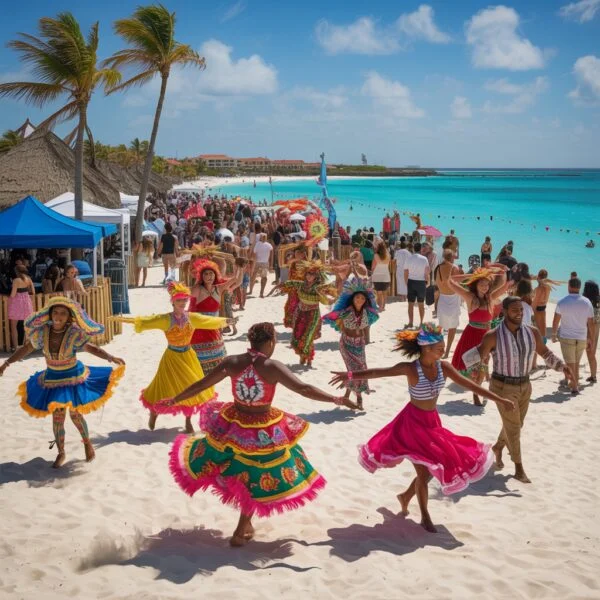
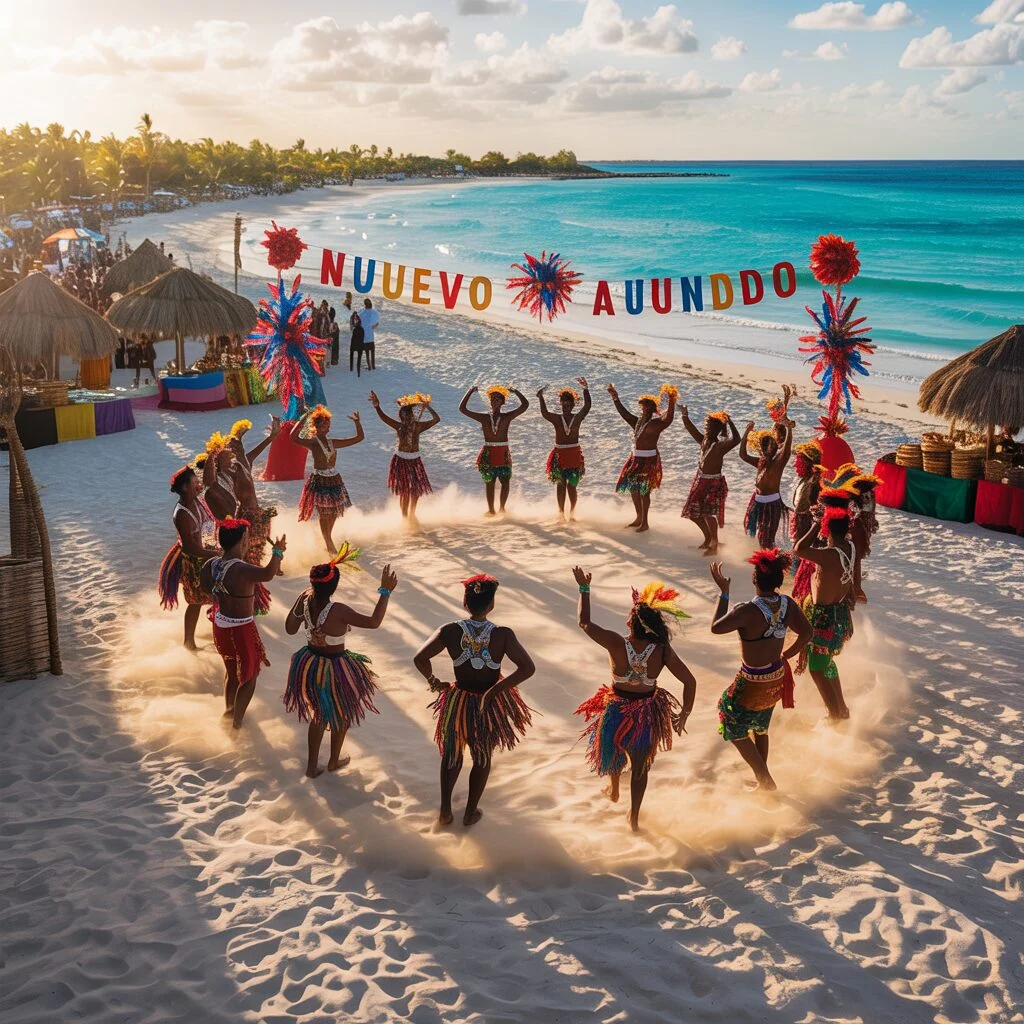
The festival presents 12-15 folklore dance performances featuring 50+ dancers in elaborate feathered costumes valued at $500-$2,000 each. Shows run 20-30 minutes and narrate Aruba’s 500-year history through movement inspired by Carnival traditions.
Key elements of these performances include:
- Tumba dancing: 15-minute performances with 10-15 dancers showcasing African-rooted rhythms,
- ribbon dances: traditional 10-minute folklore pieces performed 3-4 times daily,
- Carnival reenactments: 25-minute high-energy parades featuring 30+ performers.
Participate in Cultural Events and Workshops
The festival offers 25+ hands-on workshops and 8-10 cultural events daily, with 2,000+ participants engaging in activities from 10 AM to 6 PM. Workshop sessions run 60-90 minutes with groups of 15-30 people, requiring advance booking 2-4 weeks prior.
Attend Colorful Parades and Street Processions
The festival features 3-4 major street processions with 500-800 participants each, including 20+ brass bands, 10+ steel pan orchestras, and 200+ costumed masqueraders. Parades run 2-3 hours covering 2-3 kilometer routes through Oranjestad and San Nicolas.
Processions occur at 4 PM and 7 PM on festival days, drawing crowds of 3,000-5,000 spectators. These events blend historical reenactments spanning 300+ years with contemporary artistic expressions, offering photographers 100+ unique photo opportunities per parade.
Visit Art Exhibitions Featuring Local Talent
San Nicolas transforms into a 2-square-kilometer open-air gallery featuring 50+ murals and 15+ pop-up exhibition spaces. Galleries extend hours to 10 PM-midnight during the festival, showcasing work from 80+ resident artists with pieces priced from $50 to $5,000.
Exhibitions typically feature:
- contemporary Caribbean paintings with 100+ pieces across 8 gallery spaces,
- sculptures made from recycled materials, with 30+ installations in public spaces,
- photography collections documenting 50+ years of Aruban life in 5 dedicated exhibitions.
Shop at Local Crafts Markets for Souvenirs
Festival markets host 60+ artisan vendors creating items on-site, with prices ranging from $10 for small crafts to $500+ for premium artwork. Markets operate 11 AM to 9 PM daily, processing 2,000-3,000 transactions per day with 70% accepting credit cards.
Popular items to look for include:
- Aruban aloe products priced $8-$45, from the island’s 160-year-old aloe industry,
- hand-painted mopa mopa art ranging $25-$200 per piece,
- driftwood carvings priced $15-$150, crafted by 20+ local fishermen-artists.
Savor Aruban Cuisine During the Festival
The festival features 40+ food vendors serving 100+ traditional dishes, with 15,000+ meals sold daily at prices from $5 to $25 per item. Culinary offerings blend Dutch, South American, and Caribbean flavors across 3 dedicated food zones operating 11 AM to 2 AM.
Taste Traditional Dishes at Festival Food Stalls
Festival grounds host 25+ food stalls serving Pastechi ($3-$5 each), Aruba’s beloved fried pastry sold 2,000+ times daily. Stalls operate continuously with 5-10 minute wait times during peak hours (6 PM-9 PM).
Other must-try festival foods include:
- Keshi Yena: $8-$12 portions of spiced meat in cheese shell, served at 10+ stalls,
- Funchi with fried fish: $10-$15 plates featuring fresh daily catch from 8+ vendors,
- Pan Bati: $2-$4 sweet pancakes accompanying 15+ savory dish options.
Explore Best Restaurants for Authentic Local Food
Zeerovers in Savaneta serves 300+ customers daily with fresh fried fish ($12-$18) and shrimp ($15-$22) on a waterfront pier. Oranjestad’s 8-10 historic manor restaurants offer upscale Creole cuisine at $25-$45 per entrée, requiring reservations 3-7 days in advance during festival week.
Join Culinary Tours and Tasting Events
The festival organizes 5-6 culinary tours daily (10 AM-2 PM and 4 PM-8 PM) priced $75-$125 per person, including transportation and 6-8 tasting stops. Rum tasting sessions feature 10-15 Caribbean spirits ($40-$60 per session) paired with local chocolate or cigars, hosting 20-30 participants per 90-minute event.
Enjoy Outdoor Adventures and Beach Activities
Aruba offers 12+ beaches and 20% of the island protected in Arikok National Park, providing daytime activities from 8 AM to 6 PM between festival events. Water temperatures average 79-82°F year-round with visibility of 60-100 feet for water sports.
Relax on Aruba’s Famous Beaches Between Events
Eagle Beach spans 1.5 kilometers of white sand rated among the world’s top 10 beaches, with 500+ meters of public access and 200+ palm-thatched palapas. Palm Beach offers 2 kilometers of calm waters with 15+ beach bars and 3 public piers, located 10-15 minutes from festival venues.
Engage in Water Sports and Ocean Excursions
The Antilla Shipwreck (400 feet long, depth: 15-60 feet) hosts 500+ snorkelers weekly with visibility of 50-80 feet. Hadicurari Beach provides consistent 15-25 knot trade winds for windsurfing and kitesurfing, with 8+ rental shops charging $50-$80 for 2-hour sessions.
Top water activities include:
- catamaran sunset sails: 3-hour cruises ($65-$95) departing at 4 PM with open bars,
- jet ski rentals: 30-60 minute sessions ($75-$140) along 10+ kilometers of coastline,
- SNUBA diving: 2-hour experiences ($89-$120) reaching depths of 20 feet, no certification required.
Explore Natural Landmarks and Historical Sites
Arikok National Park covers 7,907 acres (34 square kilometers) with 20+ kilometers of hiking trails and 3 major cave systems. Fontein Cave features 1,000+ year-old Arawak petroglyphs across 200+ square meters. California Lighthouse stands 30 meters tall, offering 360-degree views spanning 15+ kilometers, accessible via 10-minute drive from festival venues.
Discover Nightlife and Social Events
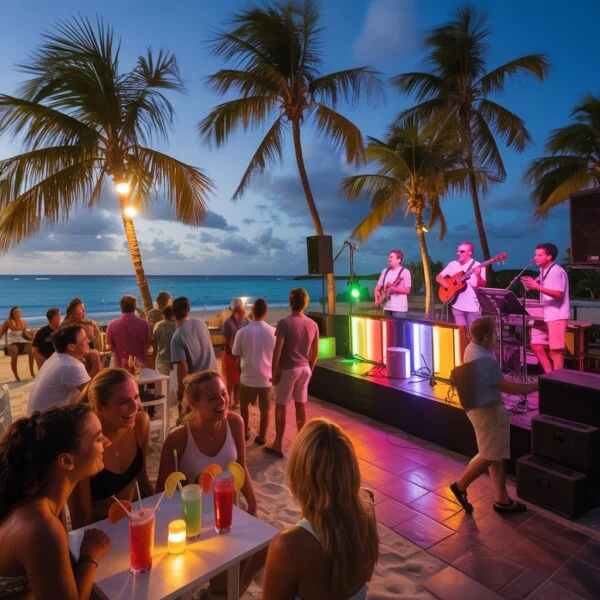
Aruba’s nightlife extends festival hours with 20+ venues operating until 4-5 AM, hosting 3,000+ party-goers nightly. After-parties and club events run from midnight to dawn with cover charges of $20-$50 depending on venue and DJ lineup.
Attend Exclusive Festival After-Parties
Official after-parties occur at 5-7 beach clubs and rooftop lounges with capacities of 300-800 guests, featuring 2-3 hour DJ sets from festival performers. VIP wristbands ($75-$150) grant access to 3-4 exclusive events per night, requiring purchase 2-4 weeks in advance as 60-70% sell out early.
Experience Aruba’s Vibrant Club Scene
Palm Beach hosts 10+ clubs with Gusto’s and Moomba Beach drawing 500-1,000 visitors nightly during festival week. Entry fees range $10-$30 with drinks priced $8-$15. Aruba’s 12 casinos operate 24/7, offering 1,000+ slot machines and 100+ table games within 5-10 minutes of major hotels.
How to Plan Your Trip for the Nuevo Mundo Festival
Festival planning requires booking 3-6 months in advance, as 70-80% of tickets and 60-70% of beachfront hotels sell out 8-12 weeks before the event. Budget $1,500-$3,000 per person for 5-day trips including tickets, accommodation, and activities.
How to Purchase Festival Tickets and Passes
Early Bird tickets (released 4-6 months prior) cost $200-$300 for Full Festival Passes, increasing 20-30% as the event approaches. VIP passes ($500-$750) include dedicated viewing areas for 1,000-1,500 guests, private bars, and fast-track entry reducing wait times from 30-45 minutes to 5-10 minutes.
Ticket tiers usually include:
- general admission: $250-$350 for 5-day access to main festival grounds,
- VIP experience: $500-$750 with 10+ exclusive amenities and priority services,
- single day pass: $75-$120 for access to specific headliner performances.
Where to Stay in Aruba During the Festival
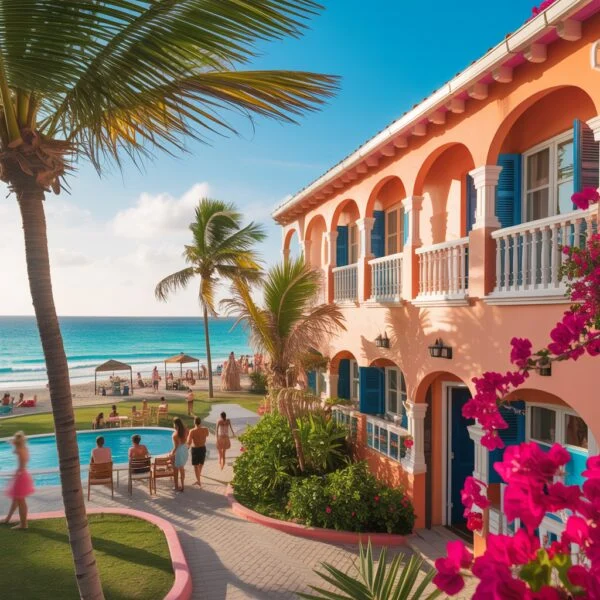
High-Rise Hotel District (Palm Beach) offers 15+ resorts priced $250-$600 per night, located 2-3 kilometers from Harbor Arena. Low-Rise Hotel District (Eagle Beach) features 20+ boutique properties at $180-$400 per night, providing quieter settings 4-5 kilometers from main venues.
Vacation villas and apartments inland cost $100-$250 per night for 2-4 bedroom units, requiring rental cars ($35-$60 daily) but saving 30-50% compared to beachfront resorts.
How to Get Around the Island Efficiently
Car rentals ($35-$60 daily) provide access to 180+ kilometers of paved roads across the 32-kilometer-long island. Taxis charge fixed government rates: $15-$25 from hotels to festival venues, $30-$40 to Arikok National Park. Arubus operates 10+ routes with $2.60 single fares and $10 day passes, running every 15-30 minutes from 6 AM to midnight.
What to Pack for the Festival and Beach Outings
Aruba’s climate averages 82-88°F with 20% humidity and 15-20 mph trade winds. Pack reef-safe sunscreen (SPF 30-50) as 80% of the island’s waters are protected marine areas. Comfortable walking shoes are essential for 8,000-12,000 daily steps across festival grounds.
Essential items to pack:
- reef-safe sunscreen: SPF 30-50 applied every 2 hours in 85°F+ temperatures,
- comfortable walking shoes: for 6-8 hours of standing and dancing daily,
- portable phone charger: 10,000+ mAh capacity for 12-14 hour festival days,
- reusable water bottle: 2-3 liters daily hydration in 82-88°F heat with 20% humidity.