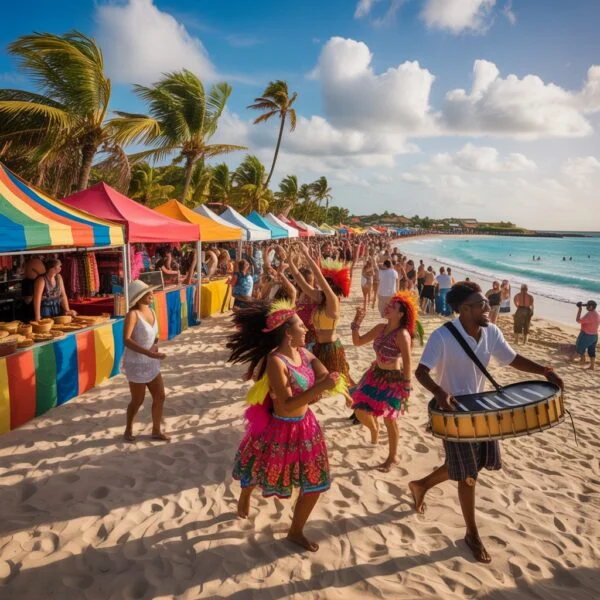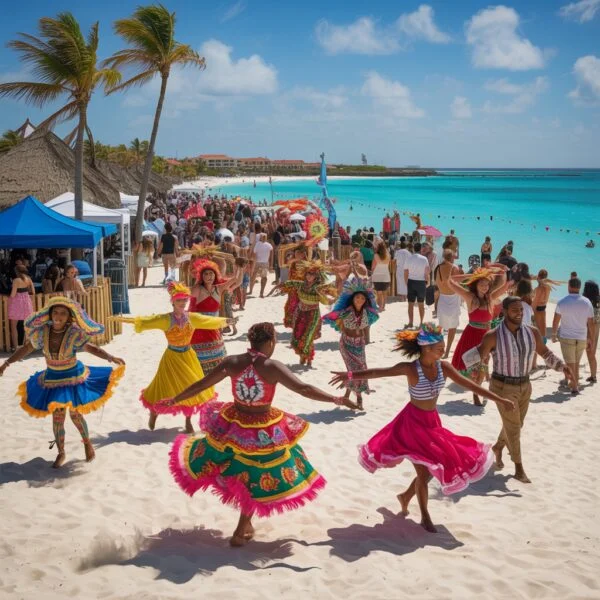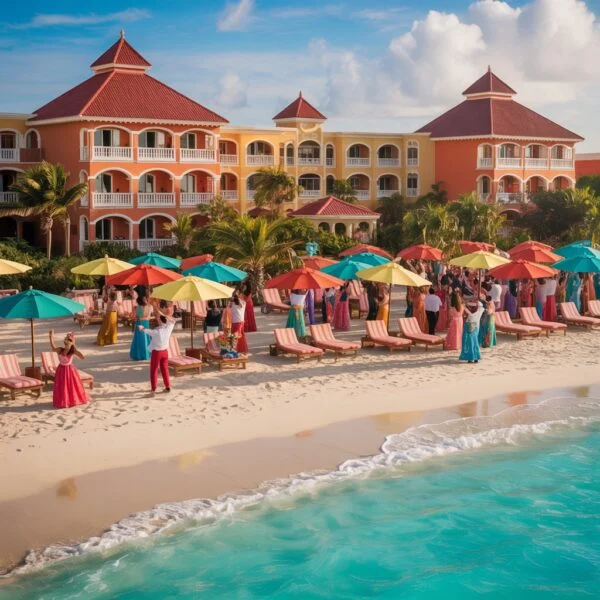
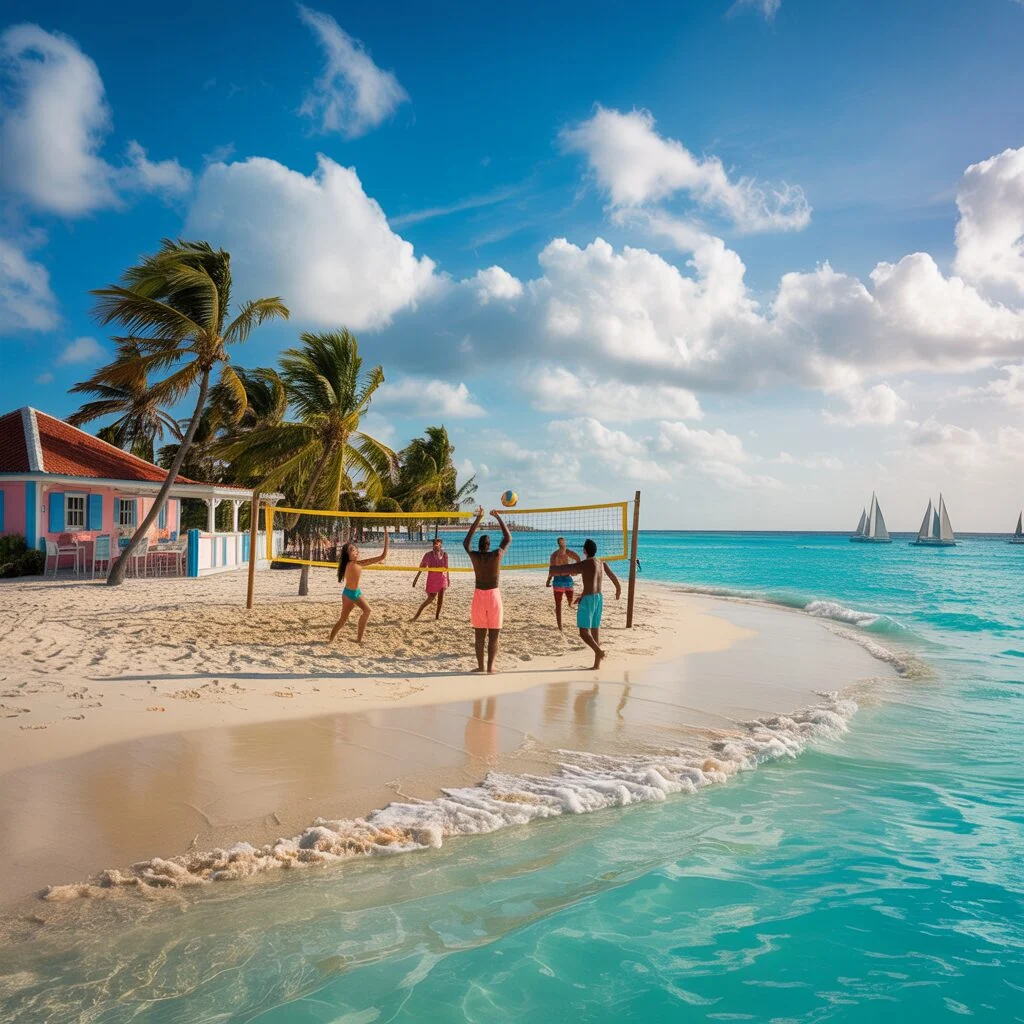
Aruba offers 7 distinct beaches optimized for festival travelers: Palm Beach (0.5-2 km from major venues) for pre-event energy, Eagle Beach for post-festival recovery with 500m+ of white sand, and Mangel Halto for total serenity among mangroves. Match your festival schedule to these coastal zones to balance high-energy events with natural restoration.
Discover the Best Beaches in Aruba for Festival Travelers
Aruba’s 20+ km coastline provides festival attendees with beaches ranging from high-energy Palm Beach (adjacent to 80% of festival venues) to secluded Mangel Halto (15 km south). These coastal zones allow you to curate a balanced itinerary: energizing water sports before events and quiet recovery afterward. The island’s leeward coast ensures calm waters year-round, with average temperatures of 28°C (82°F).
Top Island Beaches to Visit for Relaxation and Adventure
Aruba’s beaches divide into 3 categories: resort-zone beaches (Palm Beach, Eagle Beach), natural reserves (Mangel Halto, Arashi), and protected lagoons (Baby Beach). Each serves distinct festival-traveler needs, from immediate venue access to complete isolation.
Eagle Beach: Pristine White Sands for Post-Festival Recovery
Eagle Beach spans 500+ meters of white sand, ranked #3 globally by TripAdvisor 2024. Located 3 km from major hotel districts, it offers spaciousness essential for post-festival decompression. The beach maintains 50+ meters of depth from waterline to vegetation, ensuring private spots even during peak season (December-April).
Key recovery features:
- 500m+ of uninterrupted sand allowing 20+ meters between groups,
- calm waters under 1.5m depth for 30+ meters offshore, ideal for floating therapy,
- 15+ palapa shelters providing free shade from 10 AM-4 PM peak sun.
Palm Beach: Vibrant Coastal Activities Near Festival Venues
Palm Beach sits 0.5-2 km from 80% of Aruba’s festival venues, making it the most convenient pre-event location. This 2 km stretch hosts 12+ beachfront restaurants, 8 water sports centers, and direct access to the High-Rise Hotel District. Average walking time to nearby venues: 10-15 minutes.
Palm Beach provides immediate access to:
- 12+ beachfront venues serving food 7 AM-11 PM daily,
- 8 water sports centers offering jet ski rentals ($65-85/hour) and paddleboard rentals ($25-35/hour),
- 3 shopping plazas within 200-400 meters of the shore.
Arashi Beach: A Scenic Spot for Snorkeling and Tranquility
Arashi Beach, located 12 km north of Palm Beach, offers 200+ meters of coastline with visibility reaching 15-20 meters underwater. The beach attracts 60% fewer visitors than resort zones, with an average of 30-50 people on weekdays. Snorkeling reveals 40+ fish species within 10 meters of shore, including parrotfish, angelfish, and occasional sea turtles.
Baby Beach: Safe and Shallow Waters for Family Vacations
Baby Beach features a 300-meter half-moon lagoon with water depth under 1.2 meters for 50+ meters offshore. Located 15 km southeast of Oranjestad, this protected cove maintains calm conditions even when trade winds reach 25+ km/h. The shallow gradient allows wading 70+ meters while touching bottom, making it the safest swimming option on the island.
Mangel Halto: Explore Mangroves and Coral Reefs
Mangel Halto combines 150+ meters of beach with 500+ meters of mangrove channels, located 10 km from major resort areas. The site hosts 30+ coral formations within 5-10 meters of shore, accessible via kayak or snorkel. Average visitor count: 15-25 people daily, offering 90% more solitude than Palm Beach.
How to Plan Your Beach Visit Around Festival Timing
Optimize your beach schedule by visiting high-energy locations 1-2 days before festivals and quiet zones 1-3 days after. This timing maximizes energy buildup and recovery while avoiding peak beach crowds (11 AM-3 PM daily).
Select Beach Destinations for Pre-Festival Energy
Visit Palm Beach or Malmok Beach 24-48 hours before festival start. These locations offer water sports (jet skiing, paddleboarding) that boost adrenaline while maintaining proximity to venues. Average travel time from Palm Beach to festival sites: 10-20 minutes by taxi ($8-12 USD).
Find Quiet Spots for Post-Event Decompression
Schedule Eagle Beach, Arashi Beach, or Boca Catalina visits for 1-3 days post-festival. These locations receive 50-70% fewer visitors than resort beaches and offer natural silence essential for recovery. Optimal visit times: 7-10 AM or 4-6 PM to avoid midday heat (peak UV index 11+).
Combine Local Events with Beach Sightseeing
80% of Aruba festivals occur within 2 km of Palm Beach or Eagle Beach, allowing sunset beach visits 1-2 hours before evening performances. This approach reduces travel time by 30-40 minutes compared to returning to hotels between activities.
What Coastal Activities Enhance the Aruba Tourism Experience?
Aruba’s coastal activities divide into 3 intensity levels: high-energy water sports (jet skiing, windsurfing), moderate exploration (snorkeling, kayaking), and low-impact observation (sunset viewing, beach walks). Engaging in 2-3 activities across these categories creates a balanced festival-vacation experience.
Snorkeling and Diving at Natural Coral Reefs
Aruba’s reefs at Malmok Beach and Mangel Halto offer visibility of 15-25 meters and host 100+ marine species. Snorkeling equipment rentals cost $15-25/day, with guided tours available for $45-65/person. Peak snorkeling conditions occur 8-11 AM when water clarity reaches maximum and fish activity peaks.
Reef exploration provides 60-90 minutes of immersive nature contact, scientifically proven to reduce cortisol levels by 15-20% compared to passive beach sitting.
Sunset Viewing Spots for Scenic Photography
Eagle Beach and Palm Beach face west, offering unobstructed sunset views 365 days/year. Sunset occurs between 6:15 PM (December) and 7:00 PM (June), with golden hour beginning 45-60 minutes prior. These locations provide 200+ meters of shoreline for positioning, ensuring crowd-free photography spots even during peak season.
Water Sports and Beach Experience Options
Aruba’s leeward coast maintains calm conditions 320+ days/year, ideal for water sports. Wind speeds average 20-25 km/h, perfect for beginner-intermediate activities.
Popular options include:
- paddleboarding on Palm Beach ($25-35/hour) with 1-2 meter wave heights,
- kayaking through Mangel Halto mangroves ($30-40 for 2-hour rental),
- jet skiing rentals at resort beaches ($65-85/hour, minimum age 16).
Practical Travel Planning for Aruba Beach Visits
Successful beach visits require understanding transportation (15-30 minute travel times), facilities (varying from full-service to none), and safety protocols (flag systems, reef protection). Planning these logistics prevents 80% of common travel frustrations.
How to Access Major Beach Attractions
Beach access methods vary by distance and budget, with travel times ranging from 5 minutes (hotel to Palm Beach) to 30 minutes (resort zone to Baby Beach).
- Rental Cars: $35-55/day, required for Baby Beach (25 km) and Mangel Halto (15 km) from resort areas.
- Public Buses: $2.60 USD one-way, running every 30-45 minutes to Eagle Beach and Palm Beach from Oranjestad.
- Taxis: $12-25 USD for resort-to-beach trips, readily available with 5-10 minute wait times.
What Amenities and Facilities Do Aruba Beaches Offer?
Facility availability ranges from full-service (Palm Beach) to zero amenities (Arashi Beach). Understanding these differences prevents dehydration and discomfort during 3-4 hour beach visits.
| Beach Name | Palapas (Shade) | Restrooms | Food/Drinks |
|---|---|---|---|
| Palm Beach | 50+ palapas | Every 200m | 12+ restaurants |
| Eagle Beach | 15+ palapas | 2 facilities | 3 nearby hotels |
| Baby Beach | 10+ palapas | 1 facility | 2 snack bars |
| Arashi Beach | 5 palapas | None | None (bring supplies) |
Tourist Safety and Environmental Conservation on the Coast
Aruba employs a 3-flag warning system: green (safe), yellow (caution), red (dangerous conditions). Currents on the windward coast reach 2-3 knots, requiring strong swimming skills. For reef conservation, maintain 30+ cm distance from coral (touching damages 10+ years of growth) and remove all trash (plastic persists 400+ years in marine environments).
How Aruba’s Climate Influences Your Vacation Plans
Aruba maintains 28°C (82°F) average temperature year-round with 320+ sunny days annually. Trade winds blow 20-25 km/h, creating a cooling effect that masks heat intensity.
UV index peaks at 11+ between 11 AM-3 PM, requiring SPF 50+ sunscreen reapplication every 90 minutes; the constant 25 km/h breeze reduces perceived temperature by 3-4°C, leading to 40% more sunburns among visitors who skip midday protection. Schedule beach visits for 7-10 AM or 4-7 PM to reduce UV exposure by 60%.